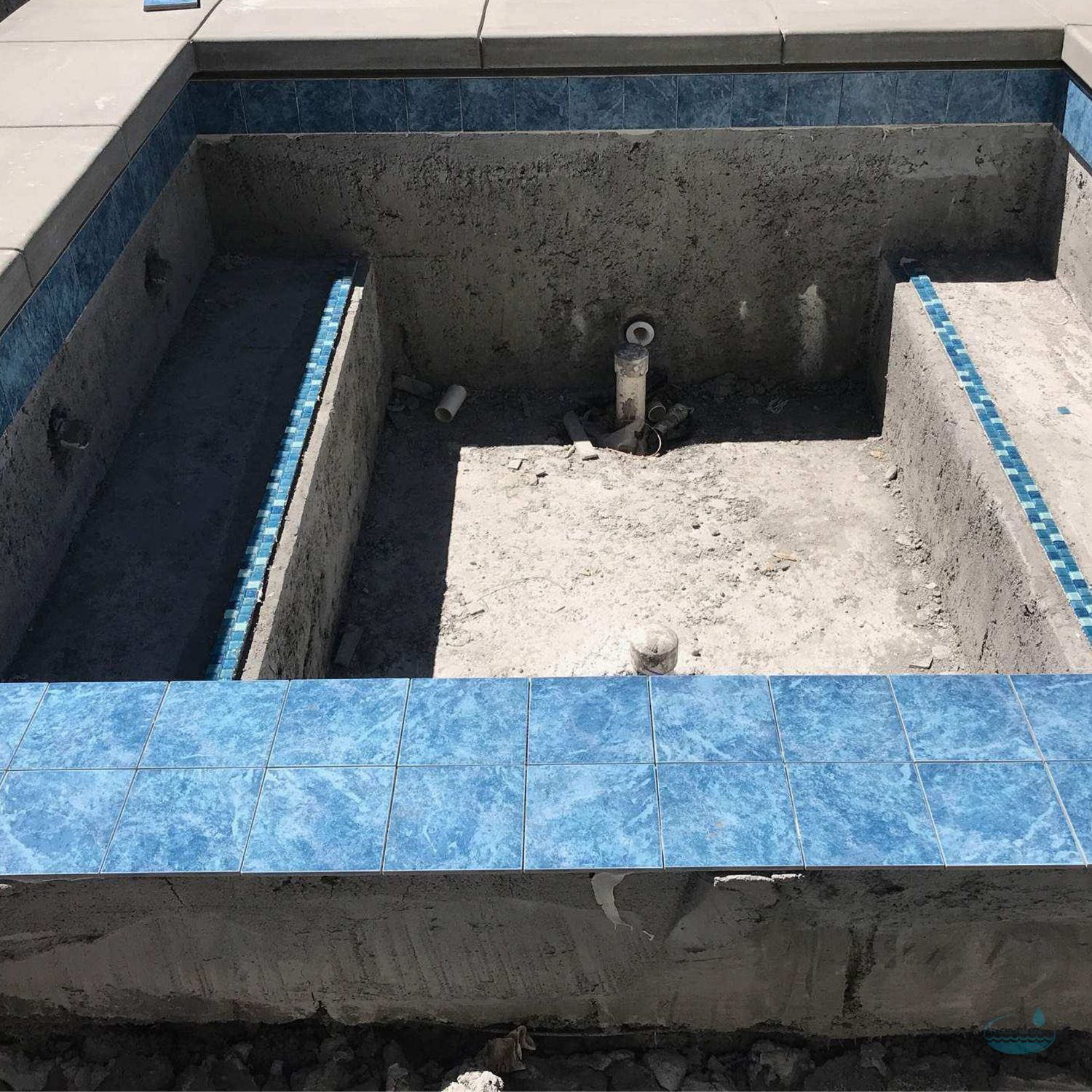
Building an in-ground spa requires considerably more planning than installing a portable hot tub. Your in-ground spa builder must evaluate excavation requirements, soil conditions, drainage, plumbing routes, utility access, electrical capacity, and the location of nearby structures before construction begins. Proper site preparation establishes the foundation for a durable installation and helps prevent future structural or mechanical problems.
Custom gunite and concrete construction also gives you flexibility that prefabricated spas cannot provide. Your spa can include deep or shallow benches, multi-level seating, integrated footwells, steps, custom coping, spillways, water features, and strategically positioned massage jets. If you already have a pool or are planning a new pool installation, your spa can be positioned adjacent to the pool with a spillover connection that creates a coordinated appearance.
Common design and construction options include:
These options allow you to build a spa that works with your outdoor layout instead of forcing your outdoor space to accommodate a factory-produced unit.
The equipment used in an in-ground spa operates differently from the systems typically found in portable electric hot tubs. Portable units commonly maintain heated water throughout the day, while a professionally designed in-ground spa can use a high-output gas heater to raise the water temperature when you are preparing to use the spa.
Natural gas and propane heaters commonly range from approximately 250,000 to 400,000 BTUs. Depending on the spa volume, starting water temperature, outdoor temperature, and equipment configuration, these systems can often bring spa water to approximately 102°F within about 20 to 45 minutes.
Your spa also requires dedicated plumbing circuits designed for proper circulation and hydrotherapy performance. These systems can include a main drain, surface skimmer, return lines, filtration equipment, and separate high-flow plumbing for massage jets. Correct pipe sizing and equipment placement help maintain sufficient water pressure throughout the system.
Modern automation systems can further improve usability. With compatible smart controls, you may be able to activate your heater, control lighting, start pumps, and manage spa functions directly from your phone before entering the spa.
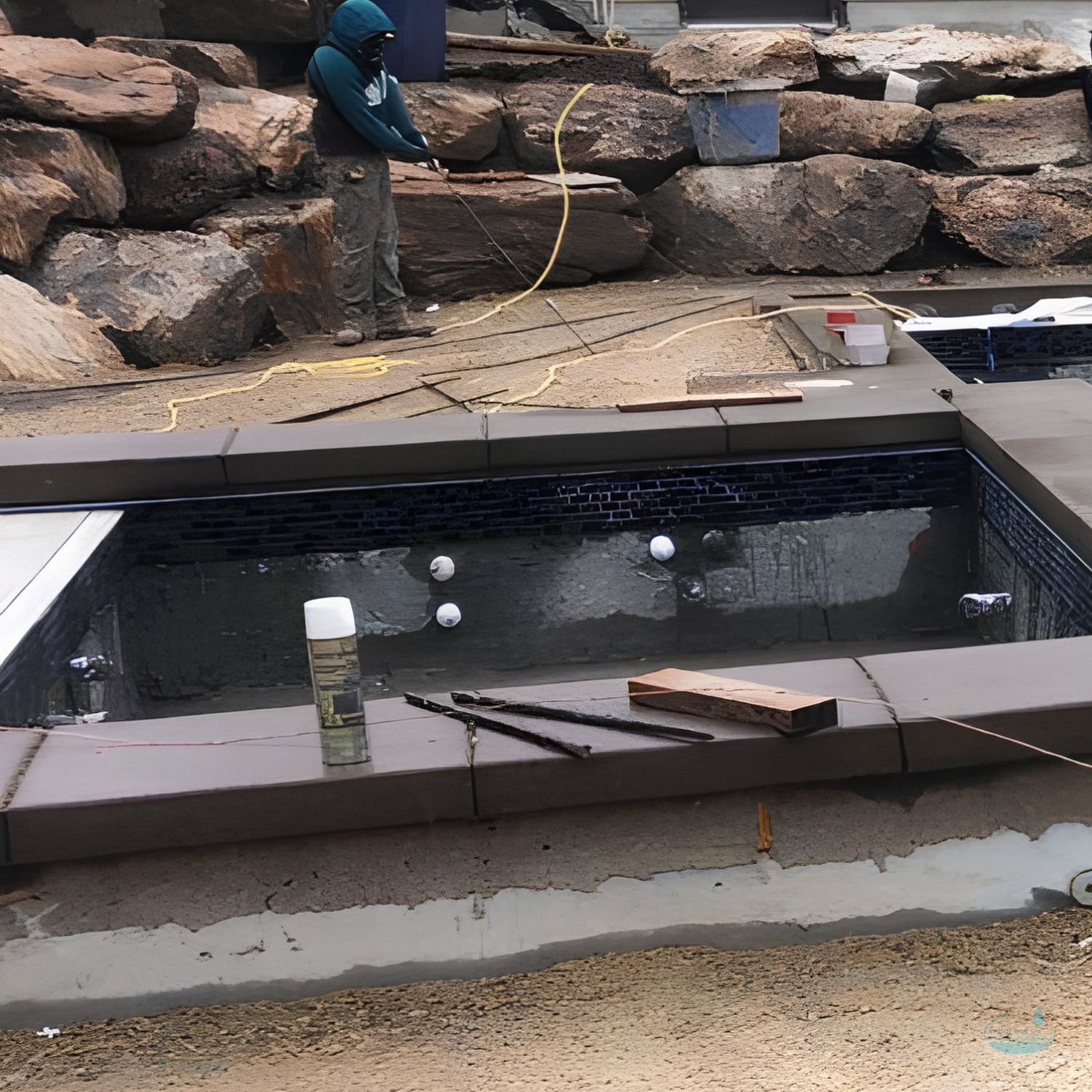
Professional site preparation is an important part of every in-ground spa installation. Excavation must create sufficient space for the structural shell, plumbing systems, equipment connections, and surrounding construction. Depending on accessibility and site conditions, excavation may commonly range from approximately $1,500 to $3,000 as part of the overall project.
Your property may also require electrical and gas upgrades. Many installations require a dedicated 240V electrical circuit with 50 to 60 amp capacity for pumps, controls, lighting, and supporting equipment. Electrical upgrades can potentially range from approximately $800 to $2,200 depending on the existing panel, installation distance, and local requirements. Gas plumbing must also be properly sized to supply a high-output heater without negatively affecting other gas appliances on the property.
Building permits, electrical permits, gas inspections, drainage requirements, setbacks, and safety regulations may also apply. Working with an experienced in-ground spa contractor helps you coordinate these construction requirements instead of managing multiple disconnected phases of the project yourself.
A custom gunite or concrete spa can typically represent a good investment depending on size, excavation, finishes, automation, utility requirements, landscaping, and additional water features.
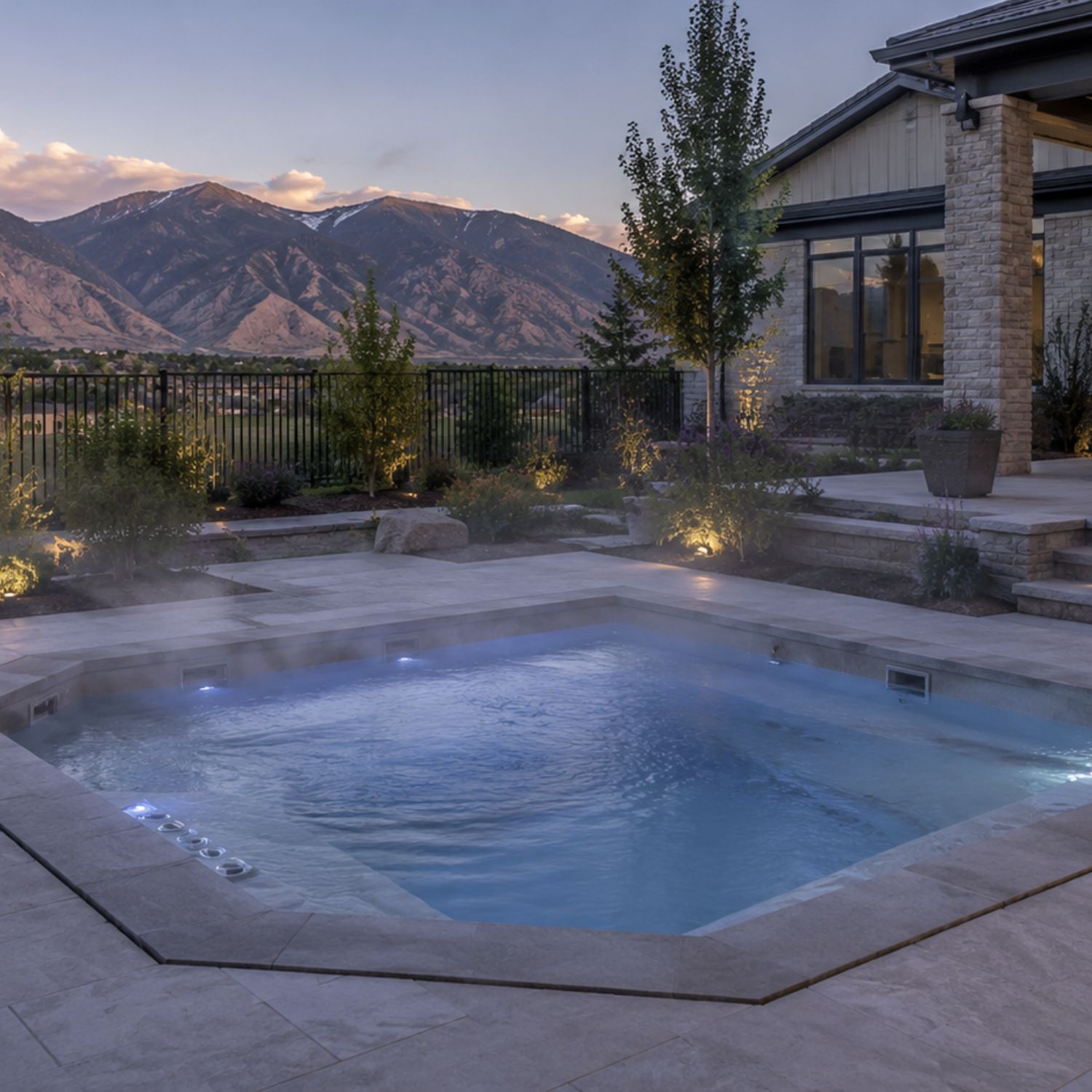
A properly constructed in-ground spa provides both functional and aesthetic advantages for your property. Because the spa can sit flush with stone decking, patio pavers, concrete surfaces, or landscaping, it can create a more permanent and integrated appearance than a portable hot tub positioned above the surrounding surface.
Concrete spa shells can also provide decades of service when properly maintained. A quality shell may last 20 to 30 years or longer, although interior plaster, tile, and finish materials may eventually require resurfacing. Depending on water chemistry, use, and finish type, resurfacing may be needed approximately every 10 to 15 years.
Open bench seating is another advantage. Instead of being limited by individual molded seats, you can create continuous seating areas that accommodate families, guests, and social gatherings more comfortably.
If your property experiences cold winters, an insulated spa cover becomes especially important. Concrete located within the ground can transfer heat into surrounding soil, increasing the amount of energy required to maintain water temperature. A thick insulated hard cover helps reduce heat loss, protect the water surface, and lower unnecessary gas consumption when the spa is not being used.
By working with an experienced in-ground spa designer, builder, and contractor, you can coordinate structural design, excavation, plumbing, heating, automation, finishes, and surrounding hardscape as one complete installation. The result is a permanent outdoor feature designed around your property, your preferred hydrotherapy experience, and the way you plan to use your outdoor living space for years to come.