When designing a swimming pool or spa, materials and finishes do more than complete the project. They shape how the space looks, feels, and performs over time. From the color of the water to the texture underfoot, each selection contributes to the overall experience. For homeowners in Utah planning backyard remodeling or new construction, understanding how these elements work together is an important part of the design process. When working with A Pool and Spa, materials and finishes are evaluated as part of a cohesive architectural approach rather than isolated decisions.
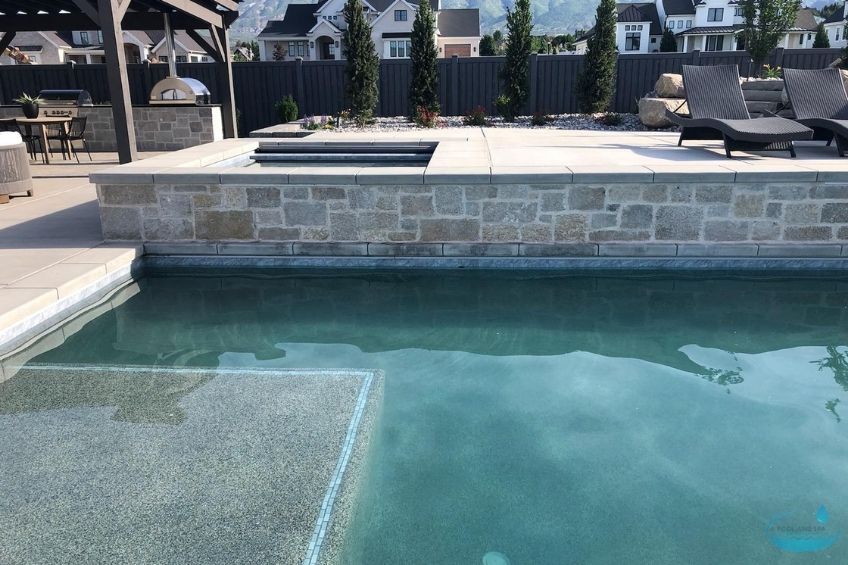
One of the most noticeable effects of material selection is how it changes the appearance of the water itself. Interior finishes such as plaster, quartz, or pebble surfaces interact with light to influence water color and clarity. Lighter finishes tend to create a brighter, more reflective look, while darker tones can produce deeper, more dramatic water hues.
One of the most noticeable effects of material selection is how it changes the appearance of the water itself. Interior finishes such as plaster, quartz, or pebble surfaces interact with light to influence water color and clarity. Lighter finishes tend to create a brighter, more reflective look, while darker tones can produce deeper, more dramatic water hues. These visual differences also change how the pool is perceived throughout the day as sunlight shifts, creating variation in tone and depth.
When properly selected, interior finishes help create a consistent visual experience that aligns with the overall design of the home and backyard.
Materials also influence how the pool or spa feels during everyday use. Surface texture affects traction, temperature, and overall comfort. Smooth finishes may feel refined and sleek, while more textured surfaces can provide additional grip and a different tactile experience.
Important considerations include:
In Utah’s climate, where summer heat and seasonal changes can impact outdoor materials, selecting finishes that balance comfort and performance is essential. A Pool and Spa incorporates these factors into the design process to ensure the space feels as good as it looks.
A pool or spa does not exist in isolation. It is part of a larger outdoor environment that includes the home, surrounding deck, and architectural features. Materials such as tile, stone veneer, and decorative concrete help connect these elements into a cohesive design.
When materials are selected with intention, they create visual continuity across the entire space. For example, coordinating stone or tile can tie the pool to the home’s exterior, while consistent color palettes reinforce a unified look. A Pool and Spa approaches material selection as a system, ensuring each finish supports the broader architectural vision rather than competing with it.
Beyond appearance and comfort, materials must perform over time. Exposure to water, sunlight, and temperature changes requires finishes that maintain their integrity. In Utah, freeze thaw conditions and seasonal variation add another layer of consideration when selecting materials.
Choosing high quality finishes and integrating them correctly helps protect the pool or spa from premature wear. A Pool and Spa evaluates both visual and structural factors when selecting materials, ensuring the final design delivers lasting performance alongside aesthetic appeal.
Materials and finishes define more than the surface of a pool or spa. They influence how the space looks in different lighting conditions, how it feels during use, and how well it holds up over time. By working with A Pool and Spa, Utah homeowners can create a design where every material contributes to a cohesive, functional, and visually balanced outdoor environment.